
Published July 23, 2026
Down Payment Assistance in Portland & Vancouver: 2026 Guide

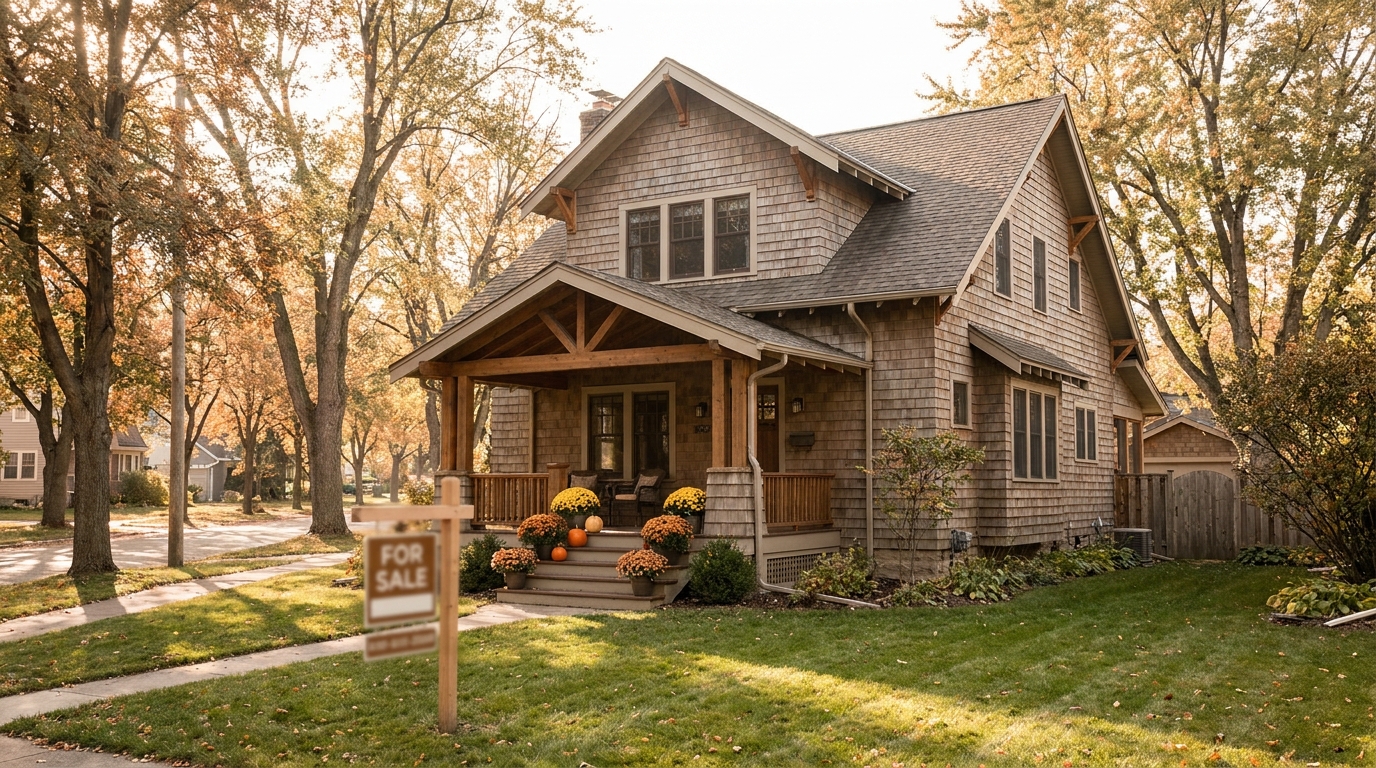
How much down payment assistance can first-time buyers get in Portland and Vancouver?
First-time buyers in the Portland–Vancouver metro can combine $15,000 to $60,000 or more in down payment help, depending on which side of the river they buy. In Oregon, the state's Down Payment Assistance program offers up to $60,000 (or 20% of the purchase price, whichever is less) for buyers at or below 100% of area median income. In Washington, the Housing Finance Commission pairs every home loan with 3%, 4%, or 5% of the loan amount at 0% interest — and Clark County has run a separate local program worth up to $60,000, though its funds are currently reserved. The catch is that these programs almost never advertise themselves, and the right one depends entirely on your income, your price point, and your county.
By Rick Sadle | July 23, 2026
If you're trying to buy your first home in Portland or Vancouver right now, the down payment is almost always the wall you hit first. With metro-area homes commonly landing in the $400,000 to $800,000 range, even a modest down payment feels like a mountain of cash you don't have sitting around.
Here's what most buyers don't realize: Oregon and Washington both run down payment assistance programs that can cover most — sometimes all — of the money you need at closing. The problem isn't that the help doesn't exist. It's that nobody hands you a menu. Buyers ask me about this constantly, so let's walk through exactly what's available on each side of the Columbia in 2026, who qualifies, and how the numbers actually work.
Buying in Oregon: Portland, Alameda, Sellwood, and beyond
Oregon Housing and Community Services (OHCS) is the state agency behind most of the down payment help you'll find in Multnomah, Clackamas, and Washington counties.
The Down Payment Assistance (DPA) program is the headline. It provides down payment and closing-cost help to eligible first-time and first-generation buyers at or below 100% of area median income. The maximum is up to $60,000, or 20% of the purchase price — whichever is less. On a $500,000 home, 20% would be $100,000, so your cap would be the $60,000. In many cases the money comes as a grant or a forgivable second lien, which means you may never repay it if you stay in the home long enough. Twenty-five percent of these funds are set aside specifically for Oregon veterans.
The DPA program is awarded to local organizations, not handed out directly by the state, so availability shifts by county and by funding cycle. You also have to complete a first-time homebuyer education course and meet with a certified housing counselor to qualify.
Flex Lending (FirstHome and NextStep) is the second path. OHCS pairs a fixed-rate first mortgage with a second mortgage that can be either a forgivable, no-interest lien or an amortizing loan. Those funds can cover up to 100% of your cash-to-close — down payment, closing costs, prepaid items, and mortgage insurance included.
There's also a quieter tool worth knowing about: the Oregon First-Time Home Buyer Savings Account. If you set one up, you can subtract up to $6,285 (single filers) or $12,570 (joint filers) from your Oregon taxable income for 2026, with a lifetime cap of $50,000 (or $100,000 joint). It won't cover your down payment by itself, but it's a legitimate way to save faster while you shop. Confirm the current figures and your eligibility with the Oregon Department of Revenue or your tax preparer — the numbers adjust over time.
Buying in Washington: Vancouver, Camas, Washougal, Salmon Creek
Washington runs its programs through the Washington State Housing Finance Commission (now branded "Here to Home"). The structure is different from Oregon's, and in one important way it's more generous on income.
Home Advantage down payment assistance attaches to nearly every Commission home loan. It provides 3%, 4%, or 5% of your first-mortgage loan amount at 0% interest, with no monthly payment. You don't repay it until you sell, refinance, move out, or pay off the mortgage (at 30 years or sooner). Two things surprise buyers here:
- You don't have to be a first-time buyer to use Home Advantage DPA.
- The statewide income limit is $215,000 — high enough that most Clark County households qualify.
On a $500,000 home with a $485,000 first mortgage, that 5% option works out to about $24,250 in assistance — enough to cover a 3% down payment ($15,000) and still leave room for closing costs.
The Commission also runs several other deferred-payment DPA options your loan officer can layer in depending on your situation, including a Needs-Based program for lower-priced homes (under $250,000), House Key Opportunity, the Covenant Homeownership Program, Home Choice for buyers with disabilities, and a dedicated Veterans program. You must attend a free Commission-sponsored homebuyer education class and work with a Commission-trained lender to access any of them.
Clark County's local program deserves a specific note. The county partnered with the Commission to offer up to $60,000 in down payment and closing-cost help — $45,000 from the county and $15,000 from the Commission — as a deferred loan at 2% simple interest. To qualify, your household income had to be under $105,210 (90% of the area median for a family of four), you needed a credit score of at least 620, you couldn't have owned a home in the past three years, and the purchase price had to be $600,000 or less on your primary residence.
Here's the current reality, and it's exactly why you talk to a lender before you count on any single program: as of this writing, Clark County reports its down payment assistance funds are reserved, with no funding available. Programs like this run in cycles — they open, they get claimed, and they reload when new money is allocated. The statewide Commission programs above are still active, so a Vancouver or Camas buyer isn't out of options; you just may be routed to a different pool.
How to actually get this money
The mechanics matter, because assistance you don't apply for correctly does you no good. The pattern is nearly identical in both states:
- Take a homebuyer education class. Oregon requires it for DPA; Washington requires it for Commission programs. Classes are free and offered virtually or in person.
- Get connected to an approved lender. These programs only work through trained, participating loan officers. A regular preapproval from a random online lender won't tap them.
- Meet the income and price limits for your county. This is where Portland and Vancouver buyers differ most — Washington's $215,000 statewide limit is far more forgiving than Oregon's 100%-AMI cap.
- Layer the programs. A down payment loan, a closing-cost credit, and a below-market first mortgage can often stack. The right combination depends on your numbers.
That last point is the one I walk every first-time client through before we even start touring homes. Whether you're looking at a bungalow in Sellwood-Moreland, new construction in Salmon Creek, or a townhome in Camas, the assistance you qualify for can change your entire price range — and it can be the difference between waiting another two years and buying this fall.
If you're weighing Oregon versus Washington, the down payment programs are only one piece. The ongoing tax picture and closing costs differ meaningfully too, which I break down in the real cost difference between selling in Vancouver and Portland. And because assistance amounts are tied to your loan size, today's mortgage rate environment shapes how far that help actually stretches.
One honest caveat: I'm a real estate broker, not a lender, tax advisor, or CPA. Program terms, income limits, tax subtractions, and funding availability change frequently, and every figure here should be confirmed with the administering agency and a qualified loan officer before you rely on it for your purchase.
Frequently Asked Questions
Do I have to be a first-time buyer to get down payment assistance in the Portland-Vancouver area?
It depends on the program. Oregon's OHCS Down Payment Assistance program is aimed at first-time and first-generation buyers. Washington's Home Advantage down payment assistance, by contrast, does not require you to be a first-time buyer — it only requires the home be owner-occupied and your income fall under the statewide limit.
How much income can I make and still qualify?
Washington's Home Advantage program uses a statewide income limit of $215,000, which covers most Clark County households. Oregon's DPA program requires you to be at or below 100% of the area median income for your county, which is a tighter standard. Clark County's local program (currently reserved) capped income at $105,210 for a family of four.
Does down payment assistance have to be repaid?
Often not right away, and sometimes not at all. Oregon's DPA is frequently structured as a grant or forgivable lien. Washington's Home Advantage DPA is a 0%-interest deferred loan you repay only when you sell, refinance, move out, or pay off the mortgage. Read your specific loan terms carefully with your lender.
Is Clark County's $60,000 down payment program still available?
As of this writing, Clark County reports that its local down payment assistance funds are reserved and no funding is currently available. These programs run in cycles and can reopen when new money is allocated. In the meantime, the statewide Washington State Housing Finance Commission programs remain active for Vancouver-area buyers.
Can I combine down payment assistance with a first-time buyer savings account?
Yes. Oregon's First-Time Home Buyer Savings Account is a tax tool that lets you subtract contributions from your Oregon taxable income while you save, and it can be used alongside a down payment assistance program at closing. Confirm the current subtraction limits with the Oregon Department of Revenue or your tax preparer.
The bottom line: there's real money on the table for first-time buyers in both Portland and Vancouver, but the right program depends on your county, your income, and your price point — and some pools open and close without much warning. If you're thinking through this for your own situation, I'm happy to connect you with the right approved lender and map out which programs you actually qualify for. Reach out anytime.
About Rick Sadle
Rick Sadle is a 21-year veteran of the Portland-Vancouver real estate market and Principal Broker and CEO of the Sadle Home Selling Team, which he and Carolyn Sadle founded in 2004. A licensed Principal Broker in Oregon and licensed Broker in Washington, Rick is a regular real estate expert on FM News 101 KXL and specializes in luxury homes, residential sales, and investment properties throughout the Portland Metro and Southwest Washington area. The Sadle Home Selling Team is part of Keller Williams Realty Professionals.
Sources
- Oregon Housing and Community Services — Down Payment Assistance: oregon.gov/ohcs
- Washington State Housing Finance Commission (Here to Home) — Downpayment Assistance: heretohome.org
- Clark County — Homebuyer Downpayment Assistance: clark.wa.gov
- Oregon Department of Revenue — First-time Home Buyer Savings Accounts: oregon.gov/dor
or another way