Published September 7, 2026
Do You Have to Remove a Wood Stove Before Selling in Oregon?

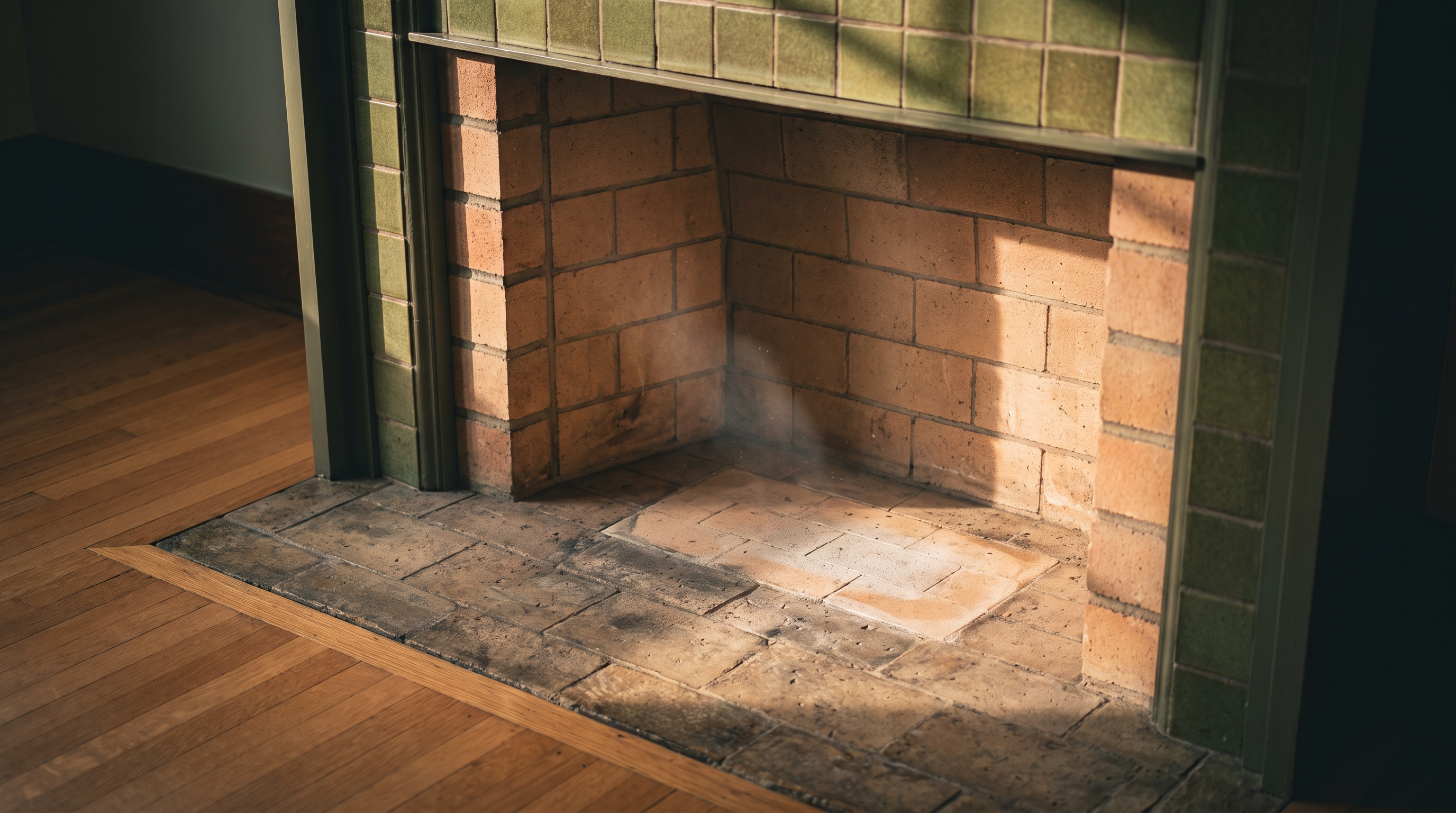
Do you have to remove a wood stove before selling a house in Oregon?
Yes — if it isn't certified. Oregon law requires that any used, uncertified wood stove or fireplace insert on the property be removed, destroyed, and reported to Oregon DEQ in connection with the sale of a home. Certified devices can stay. Washington has no such rule: in Vancouver and the rest of Clark County, you can sell a home with an uncertified stove still in it. Thu bummer is that sellers on the Oregon side routinely find out about this a week before closing.
By Rick Sadle | September 7, 2026
Every fall, as soon as the first cold snap hits, I start getting this call. A seller in Alameda or Sellwood-Moreland is under contract, the inspection is done, and someone — the buyer's agent, the lender, the escrow officer — asks whether the wood stove in the living room is certified. Nobody knows. The seller has owned the house for nineteen years and has never once looked at the back of it.
Here's the info for both states.
The Oregon rule, in plain language
Oregon's Heat Smart program comes from ORS 468A.505, passed by the 2009 Legislature. The statute says that in connection with the sale of a residential structure, all used solid fuel burning devices — other than cookstoves — in the home or on the real property sold with it must be removed and destroyed unless they were certified for sale as new by the EPA or by Oregon DEQ.
Three details in that sentence do most of the damage:
- "On the real property." Not just the house. DEQ is explicit that you must remove every uncertified device from the property being sold, including ones in the garage or the workshop. The forgotten barrel stove in the shop counts.
- "Removed and destroyed." Not sold, not donated, not moved to the cabin. It is against the law in Oregon to sell, offer to sell, or advertise an uncertified solid fuel burning device.
- "Certified for sale as new." Certification happens at the factory. You cannot get an old stove certified after the fact — DEQ is clear that a homeowner can't apply to certify a stove that's already in use.
A refinance doesn't trigger any of this. The requirement applies only when the home is sold, not when ownership stays the same.
How to tell in ninety seconds whether yours is certified
Go look at the back of the stove. You're looking for a metal certification label from Oregon DEQ or the U.S. EPA. If it's there, the device stays and you're done. I'll tell you a little trick - most people can't see behind the stove. Just use your phone and take a pic.
One thing that catches people constantly: a UL safety label is not an emissions certification. Plenty of sellers find a sticker, assume they're fine, and get corrected during escrow. As a rough rule of thumb, uncertified units are generally the older ones without that label — but the label is the test, not the age.
These devices are exempt and do not have to come out at sale, per DEQ: pellet stoves, gas fireplaces and appliances, masonry heaters and masonry fireplaces, central wood-fired boilers, cook stoves, saunas, and antique stoves. An antique stove has a narrow definition — built before 1940, ornate construction, and a current market value substantially higher than a common stove of the same period.
Who has to do it, and by when
By default the seller is responsible, and the device has to be removed and destroyed before the closing date. The statute allows the buyer to take that responsibility instead if both parties agree in writing — and then the buyer has 30 days after closing to get it done. I rarely see a buyer take responsibility, but it's possible. . .
That possibility can be a real negotiating tool, and it's underused. If you find the problem late and the removal is going to hold up a Friday closing, moving it to the buyer with a credit is often cleaner than scrambling for a contractor. I've used it more than once.
"Destroyed" has a specific meaning. DEQ considers a device destroyed when it's demolished so thoroughly it can't be restored or reused as a heater, and recommends permanently removing the door and hinges and cutting holes at least four inches across in the top and sides. Then it goes to a scrap metal dealer or recycler.
Get a numbered disposal receipt. You'll need it, along with your tax lot number, to file the removal notification with DEQ online. DEQ issues a confirmation number immediately — print it and keep it, because you may be asked for it at closing.
What happens if you skip it
The sale itself doesn't unravel. The statute says a failure to comply does not invalidate the conveyance. But that's cold comfort, because DEQ states that fines start at $750, and adds two consequences that matter more in practice: your insurance company may invalidate your homeowner's coverage, and the mortgage company may delay the sale if they discover an uncertified device wasn't removed, destroyed, and reported.
A delayed closing over a $0 problem you could have solved in an afternoon is the worst version of this. That's why I check it at the listing appointment, alongside the other Oregon-specific items like underground oil tank decommissioning.
The other state: Washington does not require removal
If you're selling in Vancouver, Camas, Washougal, Felida, or anywhere else in Clark County, the answer flips. Washington's Department of Ecology states plainly that removing an uncertified wood stove is not required when you are buying or selling a house.
That is a genuine difference in cost and hassle between the two sides of the metro, and it belongs on the same list as the other cost differences between selling in Vancouver versus Portland.
Washington sellers aren't entirely off the hook, though, and two things still apply:
- You still can't sell the stove itself. Under WAC 173-433-100, you cannot sell, exchange, or give away an uncertified solid fuel burning device in Washington. Leaving it installed in a house you're selling is allowed; selling the appliance is not.
- Your buyer may not be able to use it. During a Stage 1 burn ban, uncertified stoves and fireplaces can't be used unless it's the home's only adequate heat source; at Stage 2, the restriction extends to wood stoves generally. In Clark County those calls come from the Southwest Clean Air Agency, and they're common in the winter inversion season.
So in Washington this is a disclosure and expectations conversation rather than a compliance deadline. A buyer who thinks they're getting a working heat source, and later learns the unit is uncertified and restricted during burn bans, is an unhappy buyer. Handle it up front — it fits naturally alongside everything else on Form 17 versus Oregon's disclosure statement.
What I tell sellers to do, in order
- Look at the back of every burning device on the property — house, garage, shop, ADU — before you list. Photograph any certification label you find.
- If you're in Oregon and there's no label, plan on removal. Decide early whether you're handling it or negotiating it to the buyer in writing, but removing it is safest.
- Do it before photos if you can. An empty hearth photographs better than a rusted insert, and you avoid marketing a feature you're required to take out.
- Keep the numbered disposal receipt and the DEQ confirmation. Hand copies to your escrow officer so nobody is hunting for them the day before closing.
- If you're in Washington, disclose what you know and set the buyer's expectations about burn bans.
The whole thing is very manageable when you catch it at the listing appointment and genuinely disruptive when you catch it during the inspection negotiation. That's the entire difference — and it's why I ask about it before we ever put a sign in the yard.
Frequently Asked Questions
Does the wood stove rule apply if I'm refinancing my Oregon home?
No. DEQ confirms the Heat Smart removal requirement is triggered only by the sale of a home, not a refinance, as long as no change of ownership results. If you refinance and keep the house, an uncertified stove can stay.
Can I just sell my uncertified wood stove instead of destroying it?
No, and this is where people get into trouble. Oregon law prohibits selling, offering to sell, or advertising an uncertified solid fuel burning device, and Washington's WAC 173-433-100 similarly prohibits selling, exchanging, or giving one away. It has to be destroyed and recycled, not passed along.
Do I have to remove a pellet stove or a gas fireplace before selling in Oregon?
No. DEQ lists pellet stoves, gas fireplaces and appliances, masonry heaters and fireplaces, central wood-fired boilers, cook stoves, saunas, and qualifying antique stoves as exempt from removal at the time of sale.
Can the buyer agree to remove the stove after closing?
Yes, in Oregon, if the seller and buyer agree in writing. The statute then gives the buyer 30 days after the closing date to remove and destroy the device. Without that written agreement, it's the seller's obligation and it has to happen before closing.
What if my Vancouver, WA buyer wants the uncertified stove removed anyway?
That's simply a negotiation, not a legal requirement. Washington doesn't mandate removal at sale, so it becomes a repair-request item like any other — you can remove it, credit for it, or decline.
The bottom line
In Oregon, an uncertified wood stove or insert is a required pre-closing removal with a paperwork trail; in Washington, it isn't. Check the back of the stove now rather than in week three of escrow, and this stays a footnote instead of a closing delay.
If you're getting ready to list on either side of the river and you're not sure what your stove is — or what else on your property is going to come up — I'm happy to go over it with you before you list. Reach out anytime.
A note on scope: I'm a real estate broker, not an attorney or a CPA. This is general information about how these rules work in practice, not legal or tax advice. Rules and agency guidance change, so confirm your specific situation with Oregon DEQ, the Southwest Clean Air Agency, or an appropriate professional before you act.
Sources
- ORS 468A.505 — Removal; exceptions; confirmation of removal; rules (Oregon Revised Statutes)
- Oregon DEQ — Buying or Selling Wood Stoves (Heat Smart program)
- Oregon DEQ — Frequently Asked Questions About Wood Stoves
- Washington State Department of Ecology — Wood stoves & other home heating
- WAC 173-433-100 — Prohibited sale of uncertified devices
- WAC 173-433-150 — Burn ban stages
- Southwest Clean Air Agency (Clark County)
About Rick Sadle
Rick Sadle is the Principal Broker and CEO of The Sadle Home Selling Team at Keller Williams Realty Professionals, serving the Portland, Oregon and Vancouver, Washington real estate markets. With more than 20 years of real estate experience, over 3,500 homes sold and more than $1 billion in team sales volume, Rick is one of the Portland area's most experienced real estate professionals. He is also a weekly real estate expert on KXL 101 FM, where he discusses the Portland and Vancouver housing markets, mortgage rates, housing trends and the economy. Rick is an Oregon-licensed Principal Broker and Washington-licensed Broker.
or another way