
Published October 2, 2026
New Building Codes in Portland: Should You Permit Now?

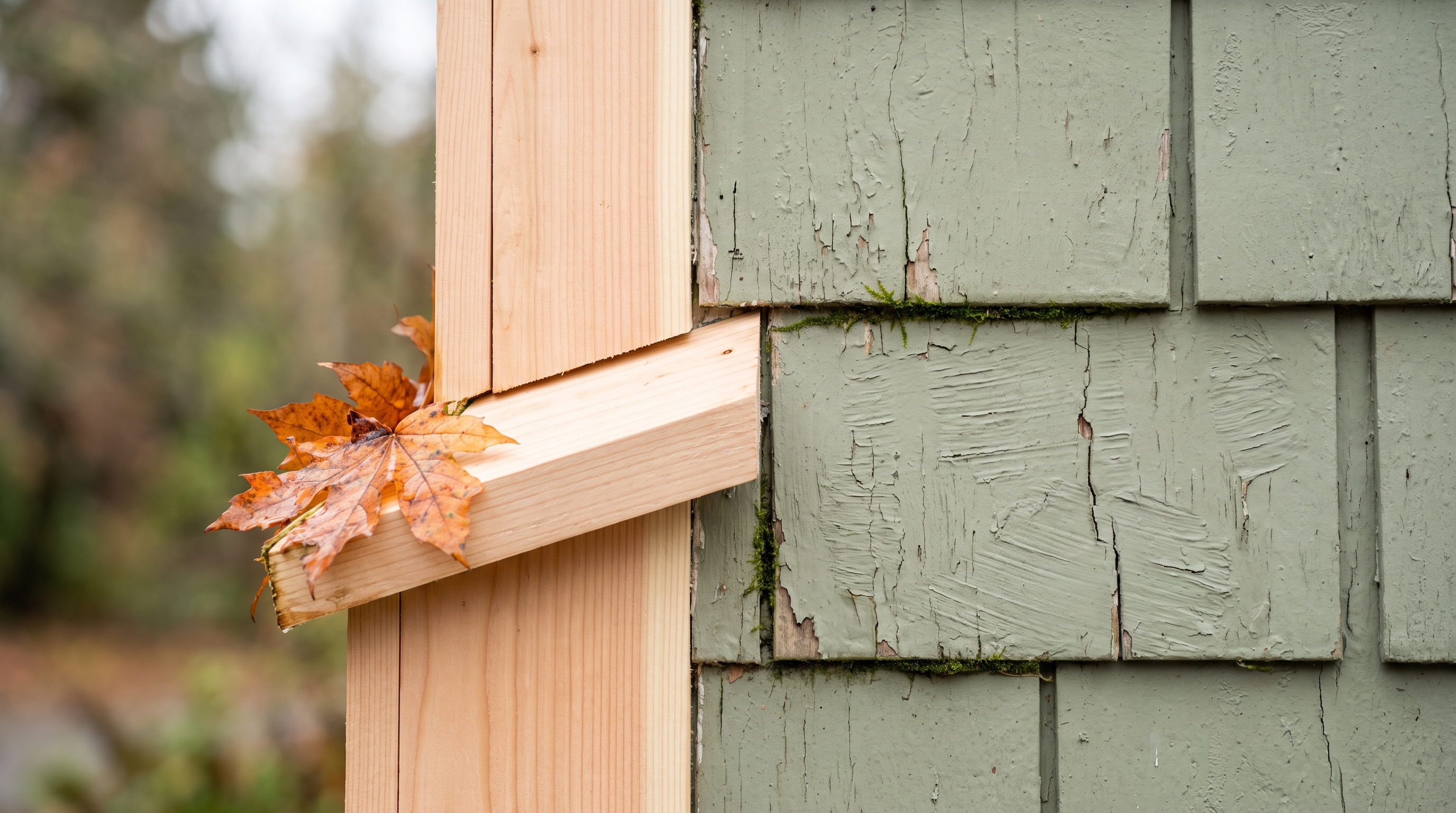
Do you need to pull your Portland building permit before March 31, 2027?
Oregon's 2026 Residential Specialty Code took effect October 1, 2026, and Portland has a six-month phase-in. You can still submit a residential permit application under the older 2023 code through March 31, 2027. Starting April 1, every residential permit in Portland follows the 2026 code. If you're planning an ADU, addition, or major remodel, the real question is whether that window matters to your project. For most homeowners, it isn't worth rushing to beat the deadline.
By Rick Sadle | October 2, 2026
Here's the short version: Portland's building code just changed, and you have six months to decide whether the old code is worth pursuing for your project.
For most homeowners, it won't. But if you already have drawings for an accessory dwelling unit, a second-story addition, or a down-to-the-studs Portland remodel, call your designer or contractor now and ask whether filing under the 2023 code would actually save time or money.
The three dates that matter in Portland:
- October 1, 2026 — Chapter 1 of the 2026 Oregon Residential Specialty Code (ORSC) took effect. That's the scope and administration chapter.
- March 31, 2027 — the last day to submit a residential permit request through Development Hub PDX under the older 2023 code. The city puts the cutoff at 11:59 p.m.
- May 1, 2027 — the deadline to pay intake fees in full, by 5 p.m., on an application submitted under the 2023 code.
After April 1, 2027, all residential permits in Portland must comply with the 2026 ORSC.
Before you build a schedule around these dates, confirm them with the permit office or your designer. The state and city originally described the October 1 date as "anticipated" or "expected." That's normal during a code transition, but your project needs a current answer from the people reviewing the plans—not from a blog post, including this one.
What "vesting" actually means
This can be the confusing part: filing something before the deadline doesn't automatically lock in the 2023 code.
To stay under the older code, Portland requires three things: submit through Development Hub PDX by March 31, provide a complete application and respond to city requests for more information, and pay the intake fees in full by May 1.
The completeness requirement is the one most likely to cause trouble. An incomplete application that sits unanswered isn't vested. If you want to use this window, your drawings need to be ready—not a placeholder set filed just to hold a spot.
What's actually changing
The 2026 ORSC is built on the 2024 International Residential Code, carried forward with Oregon's existing amendments and the amendment proposals that came through the state's public process.
The changes run through the areas you'd expect in a code cycle: mechanical ventilation requirements, seismic design and wall bracing, footing and foundation tables, stair dimensions, fire separation between structures, and wildfire hazard mitigation provisions that are written to be available for local adoption. Notably, several energy appendices — zero net energy, all-electric standards, solar-ready, and EV charging infrastructure — were not adopted as options for cities to pick up.
I'm not going to bury you in section numbers and dimensions. Code language is precise, amendments happen, and the version that matters is the one your plans examiner is using. Your architect, designer, or contractor should compare the two codes against your actual drawings and tell you whether the change affects the scope or budget.
Who this actually affects
Start by figuring out which group you're actually in. Most homeowners don't need to do anything.
This probably doesn't affect you if you're doing cosmetic work, replacing finishes, or taking on anything that doesn't require a building permit. It also doesn't reach back and touch the house you already own. A code cycle governs new permitted work — it does not make your existing home noncompliant or unsellable.
This is worth a conversation if you have a designed ADU, addition, or substantial remodel that's close to permit-ready right now. If your drawings are done under the 2023 code and the 2026 edition would require a redesign, finishing the submittal inside the window may save you a round of drafting.
You should probably not rush if your project is still conceptual. Racing an incomplete set to the counter to beat a deadline is how people end up with a rejected submittal, a redesign anyway, and a contractor booked for a season they no longer need. The six months is a window, not a starting gun.
I give sellers the same advice when they ask whether to squeeze in a project before listing: a rushed, poorly planned project usually costs more than the code change ever would.
If your property is in Clark County
If your property is in Vancouver or elsewhere in Clark County, none of the Portland deadlines apply. Duh right? Oregon and Washington use separate code cycles, and the timelines are not lined up.
Washington is still on the 2021 code editions, which took effect March 15, 2024. The state's 2024 code cycle has been pushed out — the State Building Code Council's current schedule sets the effective date at May 3, 2027, a month after Oregon's phase-in closes.
So a homeowner in Vancouver, Camas, Washougal, Felida, or Salmon Creek has a longer runway than a homeowner in Portland, and a different code to plan against. If you own on both sides of the river, or you're comparing a project on a Portland property against one in Clark County, those are two separate timelines and two separate sets of requirements.
It's another example of why buying on both sides of the Columbia can get confusing. Portland and Clark County already differ on taxes and disclosures; now the construction timelines differ, too.
What this means if you're buying or selling
If you're selling and considering a pre-sale project, the code cycle is a minor input, not a driver. The bigger questions are whether the project returns its cost in your price band and whether it delays your listing past the window you actually want to be on the market in. A permitted, completed addition is an asset. A half-finished one with an open permit is a complication at closing.
If you're buying a home with an open or in-flight permit, this is worth asking about directly. Find out when the permit was applied for, which code edition it's vested under, and whether the work has passed its inspections. An open permit transfers with the property as a problem to solve, and the answer affects what you're taking on. That's a separate question from buying a home that already has unpermitted work, which comes with its own disclosure and legalization path — but both belong on your list before you're under contract, not after.
If you're weighing a seismic upgrade, that's a related but separate question with its own cost and timing logic. I've written about whether you need a seismic retrofit to sell in more detail.
For most Portland and Vancouver sellers in the $400,000 to $800,000 range, the advice is simple: don't let a code deadline talk you into a project you weren't already planning. Decide whether the improvement makes sense for the sale first. Then set the timeline.
Frequently Asked Questions
Does the new Oregon code make my existing home out of compliance?
No. A new code edition governs new permitted work going forward. It doesn't retroactively apply to a house that was built and permitted under an earlier code, and it doesn't create an obligation to upgrade anything in order to sell.
What happens if I submit my Portland permit application on April 2, 2027?
It's reviewed under the 2026 ORSC. The window to submit under the 2023 code closes at 11:59 p.m. on March 31, 2027, and all residential permits from April 1 forward follow the 2026 edition.
Will the new code make my ADU or addition more expensive to build?
It depends entirely on your scope and design — some projects are unaffected, and others pick up real cost from ventilation, bracing, or foundation requirements. Your designer or contractor can price the delta against your actual drawings, which is the only way to get a number you can trust.
Does any of this apply to a remodel in Vancouver, Washington?
No. Washington is on the 2021 code editions, effective March 15, 2024, with the 2024 cycle currently set to take effect May 3, 2027. Clark County projects are on a different schedule entirely.
Should I delay listing my home to finish a project under the old code?
Usually not. Market timing and the home's condition when it hits the market matter far more to your net than the code edition on the permit. Run the resale numbers before you delay a listing.
A code change usually isn't a good reason to start or cancel a project. It is a good reason to get specific about a project you were already considering. If you're weighing a pre-sale improvement or looking at a house with an open permit, send me the address and the proposed work. I'll help you look at the likely resale value, timing, and risk before you commit.
Sources
- City of Portland, Permitting & Development: New residential codes expected to take effect Oct. 1 (September 9, 2026)
- Oregon Building Codes Division: Oregon Residential Specialty Code Adoption
- Oregon Building Codes Division: 2026 ORSC anticipated adoption timeline (PDF)
- Oregon Building Codes Division: 2026 ORSC code change matrix (PDF)
- Washington State Building Code Council: sbcc.wa.gov
- Washington State Building Code Council: Remaining 2024 Code Adoption Cycle Schedule, revised August 14, 2026 (PDF)
Rick Sadle is a licensed real estate broker, not a CPA, attorney, architect, or building official. Building codes, permit requirements, and adoption dates change, and the requirements that apply to your project depend on its scope and jurisdiction. Confirm your specifics with your local permit office and a licensed design professional before making decisions.
About Rick Sadle Rick Sadle is the Principal Broker and CEO of The Sadle Home Selling Team at Keller Williams Realty Professionals, serving the Portland, Oregon and Vancouver, Washington real estate markets. With more than 20 years of real estate experience, over 3,500 homes sold and more than $1 billion in team sales volume, Rick is one of the Portland area's most experienced real estate professionals. He is also a weekly real estate expert on KXL 101 FM, where he discusses the Portland and Vancouver housing markets, mortgage rates, housing trends and the economy. Rick is an Oregon-licensed Principal Broker and Washington-licensed Broker.
or another way